


Immigrant Visa Processing Resumes for Nationals of 75 Countries Following Federal Court Ruling
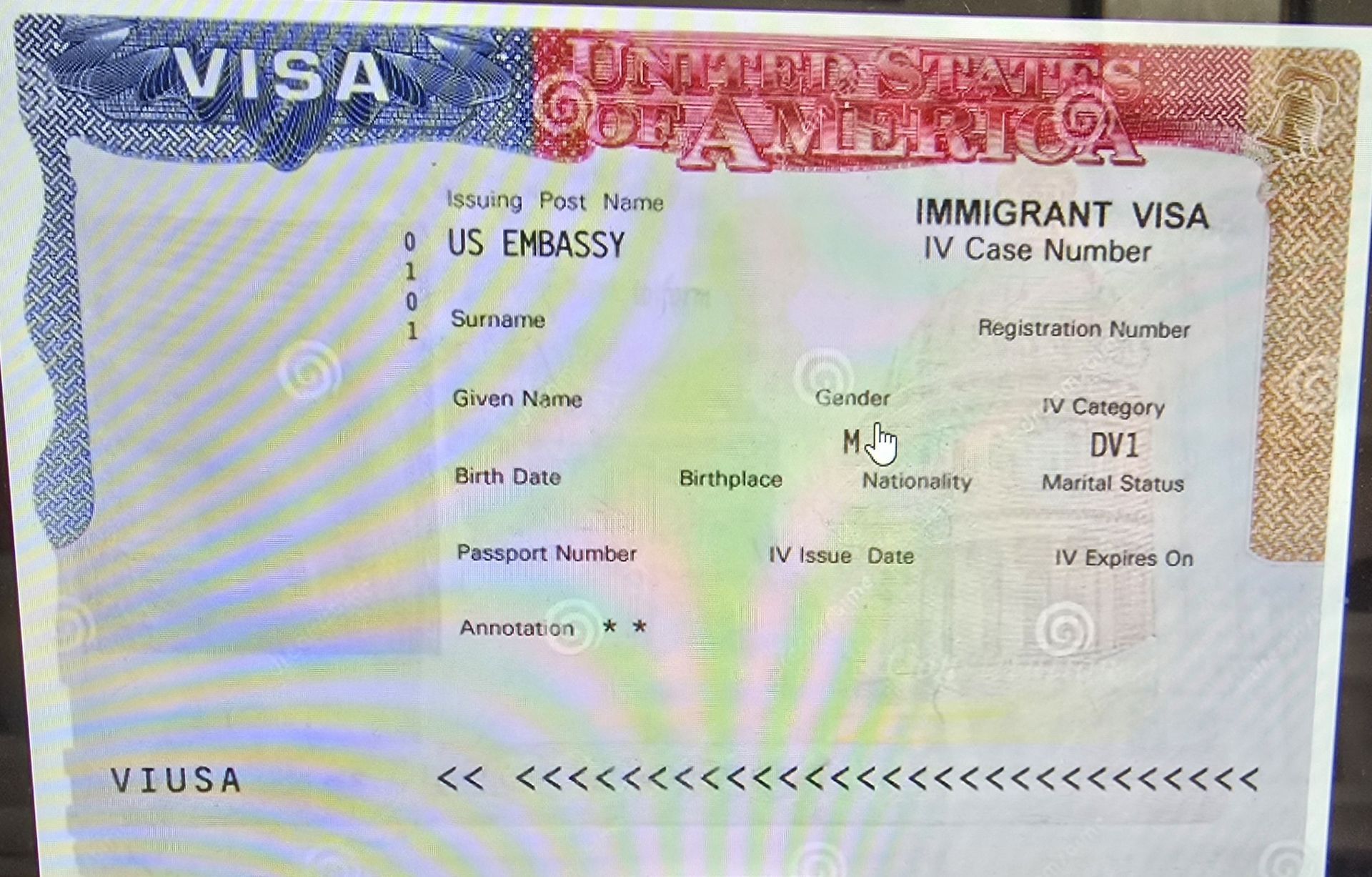
In a significant development for U.S. immigration policy, the U.S. Department of State has resumed immigrant visa issuance for nationals of 75 countries after a federal court struck down a controversial suspension that had halted visa processing since January 2026.
The ruling restores access to family-based, employment-based, and other immigrant visa categories for thousands of applicants whose cases had been delayed for months. The court determined that the suspension violated federal immigration law and exceeded the legal authority of the Secretary of State.
Background: The January 2026 Visa Suspension
On January 21, 2026, the Department of State implemented a broad suspension on immigrant visa issuance for nationals of 75 countries across Africa, Asia, Latin America, the Caribbean, Europe, and the Middle East.
The government justified the policy by arguing that immigrants from the affected countries posed an increased risk of becoming a "public charge," referring to individuals who may rely on certain public benefits after arriving in the United States.
Under the suspension:
- Consular officers continued conducting visa interviews but could not issue immigrant visas to affected applicants based solely on nationality.
- Previously issued immigrant visas were not revoked.
- New immigrant visa issuances were halted.
- Nonimmigrant visas, including tourist, student, and business visas, remained unaffected.
Countries impacted by the policy included Nigeria, Liberia, Ethiopia, Haiti, Brazil, Russia, Afghanistan, Jamaica, Pakistan, and dozens of others.
Federal Court Strikes Down the Policy
On August 21, 2026, the U.S. District Court for the Southern District of New York issued its decision in Catholic Legal Immigration Network, Inc. (CLINIC) v. Rubio.
The court concluded that the 75-country suspension:
- Violated the Immigration and Nationality Act (INA)
- Violated the Administrative Procedure Act (APA)
- Exceeded the authority granted to the Secretary of State
- Unlawfully discriminated on the basis of nationality
As a result, the court vacated the policy and ordered the Department of State to:
- Resume immigrant visa processing and issuance for nationals of all 75 affected countries
- Reconsider visa applications that had been refused solely because of the suspension
The ruling restores the principle of individualized adjudication, requiring visa applications to be evaluated based on each applicant's specific circumstances rather than their nationality.
State Department Confirms Visa Processing Has Resumed
Following the court's decision, the Department of State confirmed that the January 2026 suspension is no longer in effect. Immigrant visa processing has resumed for eligible applicants from all affected countries.
Applicants may now:
- Submit immigrant visa applications
- Attend scheduled visa interviews
- Receive decisions based on standard immigration eligibility requirements
U.S. consular posts worldwide have also begun reviewing applications that were previously denied under the suspension and issuing visas where applicants meet all legal requirements.
What Applicants Should Expect
1. Visa Interviews and Processing Are Moving Forward
Immigrant visa interviews have resumed, and consular posts are actively scheduling appointments and processing cases.
2. Previously Refused Cases May Be Reopened
Applicants whose immigrant visas were denied solely because of the 75-country suspension may have their cases reconsidered in light of the court's ruling.
3. Public Charge Reviews Still Apply
Although the nationality-based suspension has been lifted, public charge assessments remain part of the immigrant visa process. Applicants should continue to prepare comprehensive financial and sponsorship documentation where applicable.
4. Nonimmigrant Visas Were Never Affected
The suspension applied only to immigrant visas. Tourist, student, exchange visitor, and business visa categories continued to be processed throughout the period.
5. Other Immigration Restrictions May Still Exist
While the 75-country suspension has been overturned, separate immigration policies or country-specific travel restrictions may still affect certain applicants. Individuals should review any additional requirements that may apply to their nationality or visa category.
Global Impact of the Decision
The restoration of immigrant visa processing is expected to have a far-reaching impact on families, employers, and communities worldwide.
For months, the suspension delayed family reunification, disrupted employment-based immigration pathways, and created uncertainty for thousands of prospective immigrants.
With the court's ruling:
- Families can move forward with long-delayed reunification plans.
- Employers regain access to skilled workers from previously restricted countries.
- Consular posts can return to standard visa adjudication procedures.
- Applicants benefit from a more consistent and individualized review process.
The decision is widely viewed as a significant victory for immigrant rights advocates and the families affected by the suspension.
Conclusion
The resumption of immigrant visa processing for nationals of the 75 affected countries marks an important turning point in U.S. immigration policy. After months of uncertainty, eligible applicants once again have access to the immigrant visa process without nationality-based restrictions that a federal court found to be unlawful.
As U.S. consular posts return to normal operations, thousands of individuals and families can resume their immigration journeys with greater confidence, predictability, and assurance that applications will be evaluated on their individual merits
Key Takeaway
The federal court's decision restores immigrant visa processing for nationals of 75 countries, requires reconsideration of cases denied solely under the suspension, and reaffirms that immigration decisions must be based on individual eligibility rather than nationality.




